5 Bathroom Changes to Prevent Senior Falls
Grab bars, barrier-free showers, non-slip flooring — the five modifications that make the biggest difference in the room where most falls happen.
Key Insight
Note
The good news is that these injuries are largely preventable. A 2023 Cochrane Review found that home safety assessment and modification programs significantly reduce both the rate and risk of falls among older adults — with the greatest benefit seen when modifications are tailored to the individual (Clemson et al., 2023). For a fuller look at the evidence, see our review of home modification for falls prevention.
What follows are the five bathroom modifications that carry the strongest evidence for preventing falls — changes that protect dignity, support independence, and give families real peace of mind.
1. Strategically Placed Grab Bars
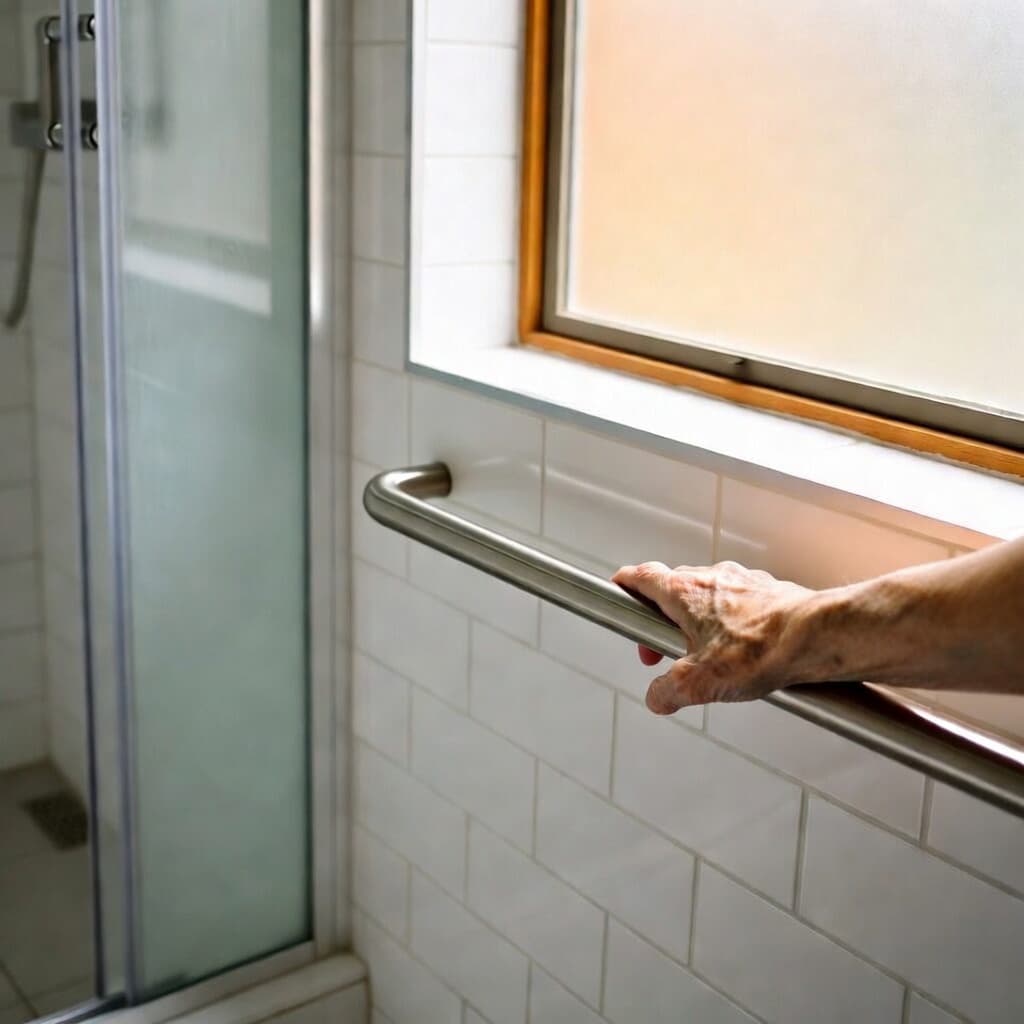
Of all the modifications you can make, grab bars have some of the strongest direct evidence behind them. A 2023 study published in Human Factors found that participants who had access to a grab bar during bathtub exit were 75.8% more likely to recover their balance than those without one (Levine, Montgomery & Novak, 2023).
However, placement matters enormously. Research presented at RESNA found that a rear-wall grab bar near the toilet — though commonly installed — can actually create a false sense of security if it requires awkward reaching or twisting. Bar placement should be guided by how the individual actually moves, not by generic assumptions (RESNA, 2016).
Note
2. Barrier-Free (Curbless) Shower Entry
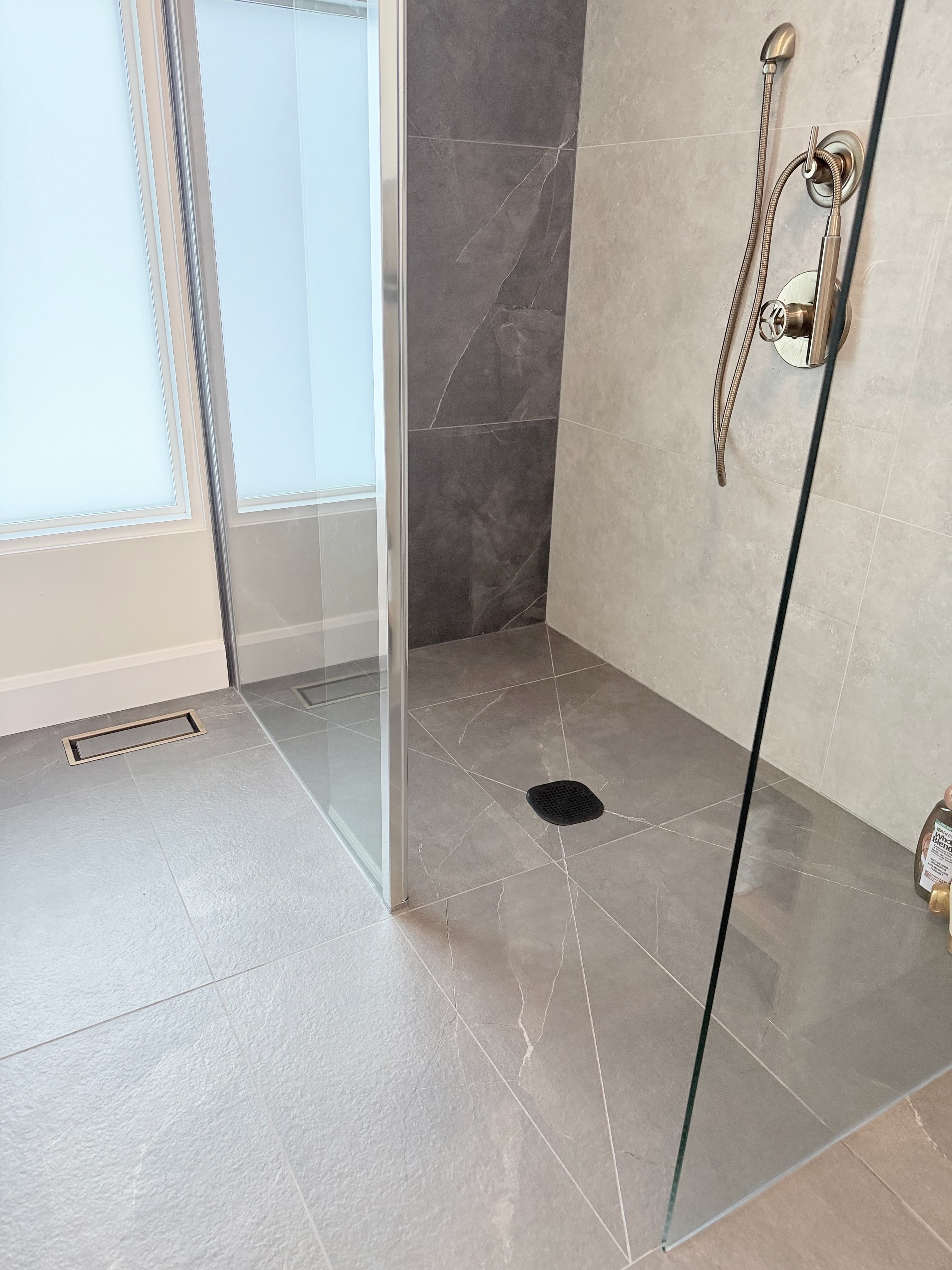
The traditional bathtub — with its high sidewall — is the single most common site of bathroom injury. The CDC's data shows that injuries occurring in or around the tub or shower happen at a rate of 65.8 per 100,000 people, far exceeding injuries near any other bathroom fixture (CDC MMWR, 2011).
A barrier-free shower, also called a curbless or zero-threshold shower, eliminates the step-over entirely. The shower floor sits level with the rest of the bathroom and slopes gently toward a linear drain. This removes the most physically demanding moment in bathing — the act of lifting one leg over a tub wall or shower curb while standing on a wet surface.
For individuals who use a walker, wheelchair, or shower bench, a roll-in design allows direct entry without any transfer over a raised edge. This fundamentally changes the biomechanics of entering the shower from a high-risk balancing act to a simple forward step or roll.
Note
3. Non-Slip Flooring and Surface Treatments
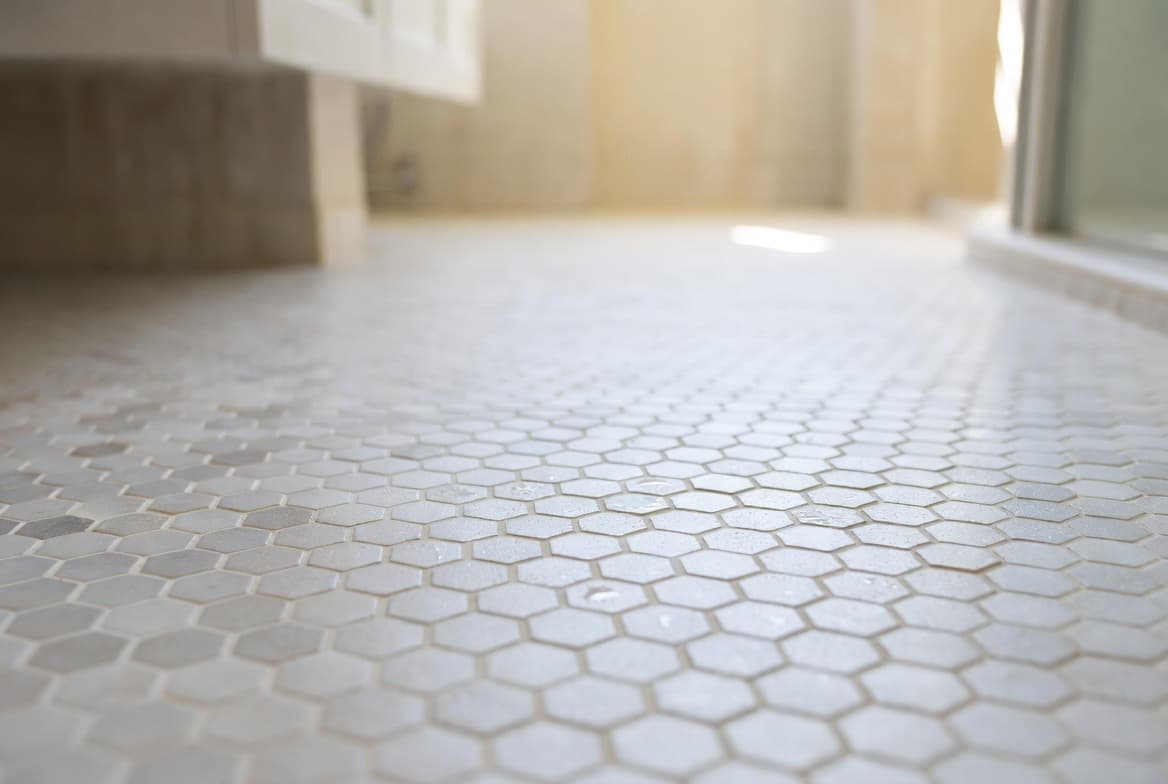
Wet tile is one of the most common contributors to bathroom falls. The coefficient of friction drops significantly when standard ceramic or porcelain tile gets wet. According to the Fall Prevention Foundation, more than one million Americans suffer injuries from bathroom slip-and-fall accidents annually (Fall Prevention Foundation, 2026).
There are several evidence-backed approaches to improving traction underfoot:
A biomechanical review in BMC Geriatrics found that "compliant" flooring materials can reduce impact forces from a fall, though the best evidence supports using them alongside other modifications (Lachance et al., 2017).
Note
4. Comfort-Height Toilets or Raised Toilet Seats
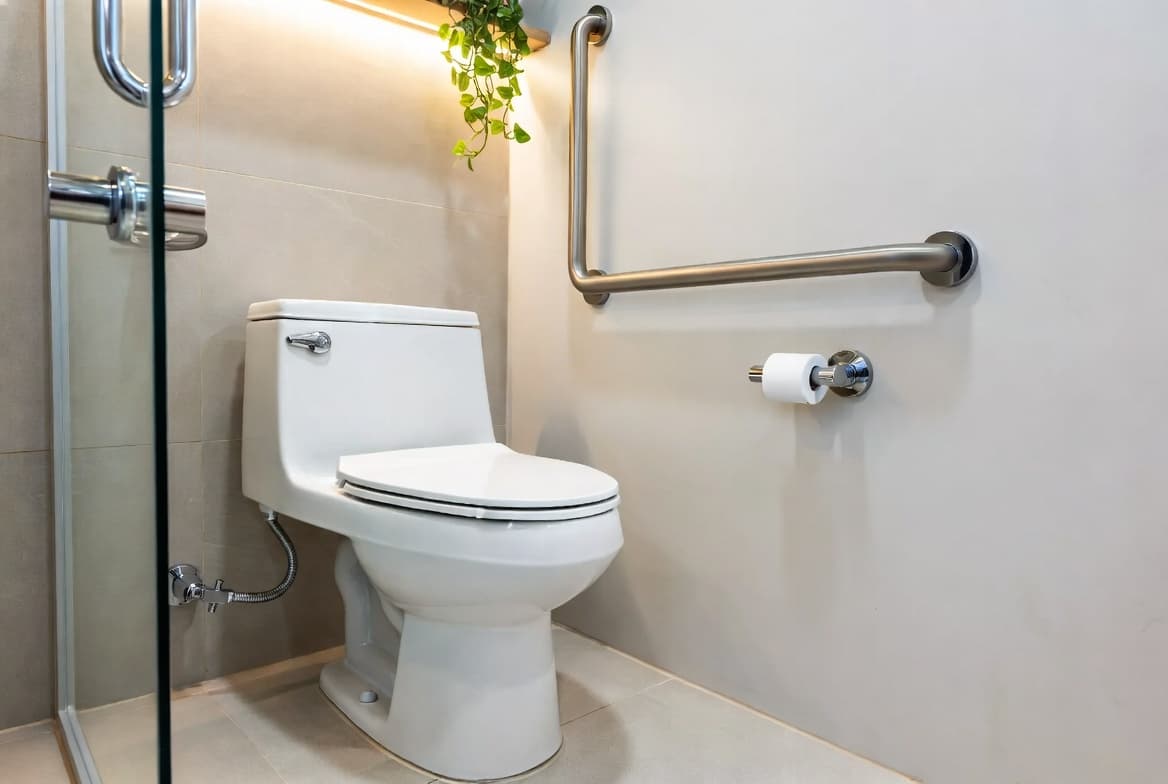
The standard toilet sits approximately 15 inches from floor to seat — a height that requires significant quadriceps strength and knee flexion to sit down and stand up safely. The CDC data shows that toilet-related injuries rise sharply with age — from 19% of bathroom injuries among adults aged 65–74 to 37% among those aged 85 and older (CDC MMWR, 2011).
Comfort-height toilets (also called "right height" or accessible-height toilets) sit 17–19 inches from floor to seat, significantly reducing the depth of the sit-to-stand movement. For those who prefer not to replace the entire toilet, raised toilet seats with integrated armrests provide a cost-effective alternative.
Important
5. Task Lighting and Nighttime Illumination
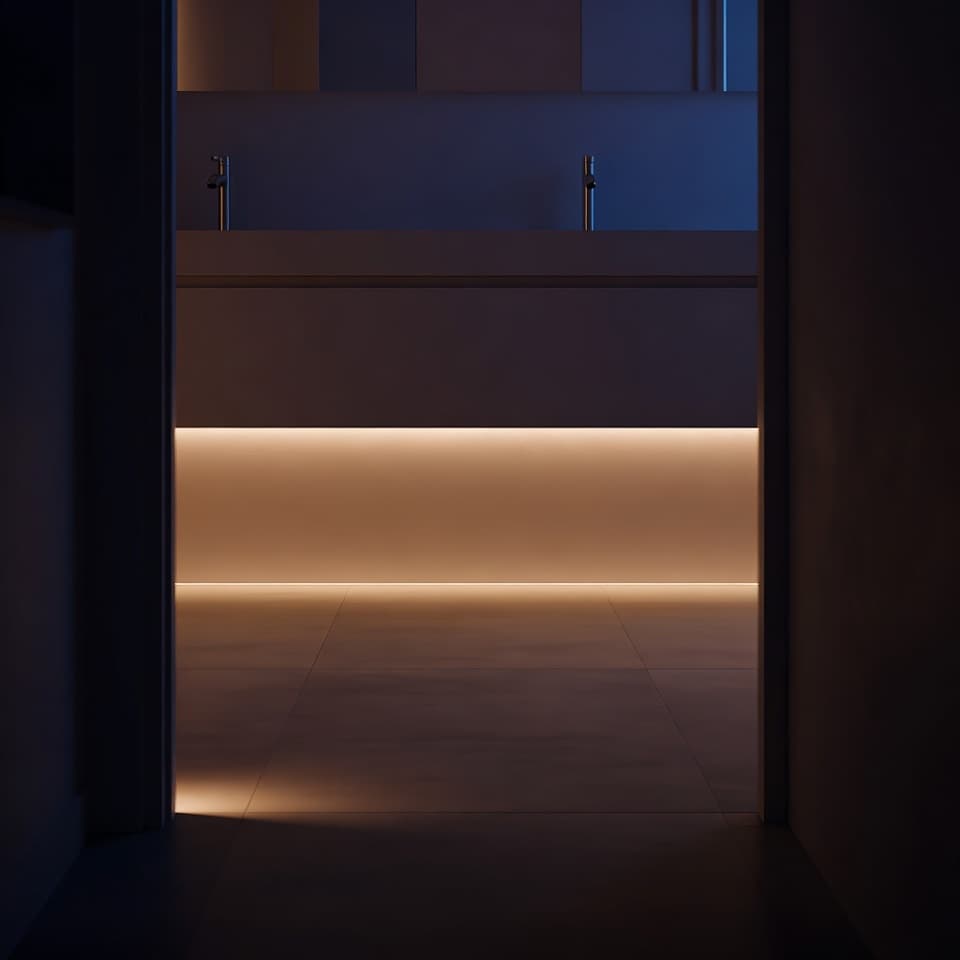
Falls don't only happen during daytime bathing. Nighttime trips to the bathroom are a particularly dangerous moment. A study found that almost a quarter of bedrooms and over four in ten bathrooms in the homes of older adults did not meet recommended lighting standards (Emad et al., 2025).
Research on LED strip lighting along the path from bed to bathroom found that this intervention can reduce nighttime falls by over 30%. In one study, 57% of participants with automated ground-level LED strips reported the lighting improved their vision, prevented falls, or reduced their fears about moving at night (PMC, 2022).
What to install
Note
Making These Changes Work Together
Each of these five modifications addresses a distinct risk factor — grip, entry, traction, transfer, and visibility. Individually, each one reduces risk. Together, they work as a system that fundamentally changes the safety profile of the most hazardous room in the home.
The Cochrane Review evidence is clear: the greatest fall prevention benefits come when modifications are tailored to how the individual actually uses the space, rather than applied generically (Clemson et al., 2023). A parent recovering from hip surgery has different needs than a spouse managing Parkinson's disease.
How to Apply
References
Not sure what you qualify for?
Still at Home’s Funding Specialist reviews every applicable grant program for your specific situation — at no cost.